
Untreated STIs and Their Surprising Impact on Sperm Health
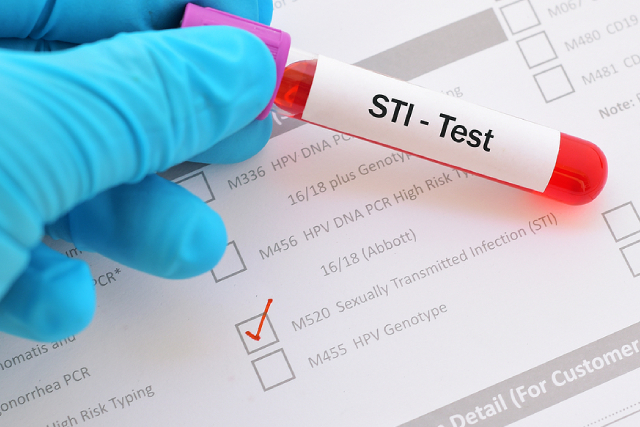
When it comes to sexual health, many people think of symptoms like discomfort, discharge, or rashes. Few imagine a longstanding sexually transmitted infection (STI) quietly harming their chances of fathering a child. Yet, research shows that untreated STIs can greatly impact sperm health, sometimes causing damage that lasts long after the infection is gone.
This article explores how this happens, why it matters, and what you can do about it.
How Untreated STIs Damage The Male Reproductive System
Infections from STIs, especially the bacterial kind, can create inflammation and scarring within the male reproductive tract. This is more than a short‑term irritation: chronic inflammation can lead to fibrosis (hardening) in the epididymis (the tube where sperm matures) or the vas deferens (the tube sperm travels through). Over time, these changes can block or impair the movement of sperm.
For instance, bacterial infections such as Chlamydia trachomatis and Neisseria gonorrhoeae (the cause of Gonorrhoea) have been shown to lead to epididymitis or orchitis (inflammation of the testicles) in men, both of which can result in damage to the sperm ducts and impair sperm transport.
But the damage isn’t only physical blockage. Even the sperm themselves can be harmed.
Sperm Damage: Not Just Quantity But Quality
Studies have found that untreated chlamydia can raise sperm DNA fragmentation, meaning the genetic material carried by sperm becomes damaged. This is critical because high DNA fragmentation can reduce a sperm’s ability to fertilise an egg and may even contribute to failed conception or miscarriage.
Moreover, STI pathogens are sometimes detected within semen, seminal plasma or even bound to sperm, which can create a hostile environment for sperm survival and motility. That means, beyond simply having fewer sperm, the sperm that are present may be sluggish, malformed, or genetically compromised.
Which STIs Are Most Likely To Lead To Fertility Issues
Not all STIs carry the same risk, but several are particularly dangerous when left untreated:
- Chlamydia – Often asymptomatic, deceptively benign, and therefore frequently undetected. It is one of the leading bacterial causes of sperm damage.
- Gonorrhoea – More likely to present with symptoms than chlamydia, but still widely underdiagnosed. It can lead to epididymitis and blockages in sperm transport.
- Other Pathogens – Some less common or emerging STIs, including bacterial species such as Mycoplasma genitalium, or even viral agents such as Human papillomavirus (HPV), have been linked with reduced sperm quality, motility, and concentration.
While research into the full extent of viral STI impact on fertility is ongoing, the evidence to date suggests that any untreated infection in the male genital tract should be taken seriously when fertility is a concern.
Why Symptoms Aren’t a Reliable Guide
One of the biggest problems with STI‑related fertility damage is that many of the infections are “silent”, producing little or no discomfort or obvious signs. For example, men with chlamydia might not experience noticeable symptoms.
By the time symptoms like pain, discharge, or testicular soreness appear, damage may already be underway, or even permanent. That’s why relying on symptoms alone can lead to missed opportunities for early treatment or prevention.
Prevention and Early Detection: The Role of STD Screening
Because of the stealthy nature of many STIs and the serious potential consequences for sperm health, regular STD screening is fundamental, especially if you are sexually active with multiple partners or planning to start a family.
Screening allows early detection and effective antibiotic treatment of bacterial infections such as chlamydia and gonorrhoea, helping prevent inflammation, scarring, and sperm damage.
Moreover, a microbiological evaluation of semen has been recommended in cases of unexplained male fertility issues. This can help uncover underlying STI‑related infections that standard urine or blood tests might miss.
What To Do If You Think You Might Be At Risk
If you suspect you might have been exposed to an STI, or if you and your partner are planning to try for a baby, consider the following steps:
- Schedule an STI screening, even if you feel perfectly fine.
- If you test positive, complete the full course of treatment and ensure your partner is tested and treated too (to avoid reinfection).
- Consider a semen analysis and microbiological evaluation if you are trying to conceive and have no obvious cause for impaired fertility.
- Practise safer sex, including consistent condom use, and ensure regular check‑ups if you have multiple partners.
Why Untreated STIs Should Not Be Ignored
Untreated STIs have the potential to cause more than temporary discomfort; they can quietly undermine fertility, damaging sperm quality, count, and function. Given that conception and healthy sperm parameters depend on more than just having “enough sperm,” undiagnosed infections pose a real risk.
Understanding these risks and acting early can make all the difference. That is why STD screening isn’t just about preventing disease; it’s also about safeguarding your future fertility.
If you are in Singapore and want a reliable and confidential place for sexual health assessment, screening, or fertility support, consider reaching out to experts at Elyon Family Clinic & Surgery. With our experience and professional care, we can help you take timely steps to protect your reproductive health and, if needed, guide you towards the next steps in fertility evaluation and management.

