- 78B, Telok Blangah Street 32, #01-22, Singapore 102078
- (65) 6802 7208
- elyonfamilyclinic@gmail.com

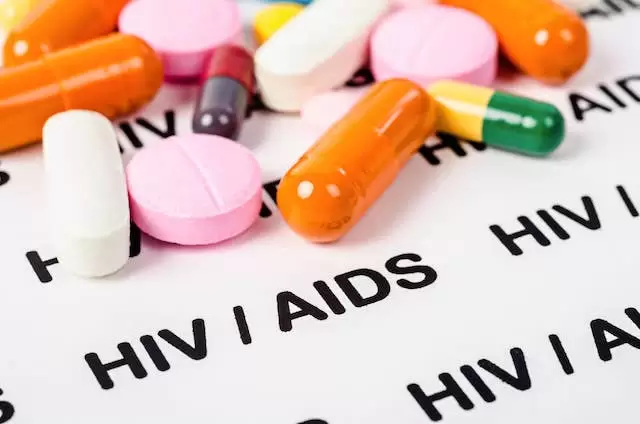
HIV Post-Exposure Prophylaxis (PEP) is an emergency HIV prevention treatment. It involves taking antiretroviral (ARV) medications for 4 weeks (28 days) to reduce the risk of HIV infection after a potential exposure.
PEP should be started as soon as possible – ideally within 24 hours, and no later than 72 hours. It is available at MOH-approved clinics in Singapore and is meant for urgent situations, not as a substitute for regular HIV prevention methods.
If you’ve had potential exposure to HIV, prompt action is essential.
Types of HIV PEP
1. Occupational PEP (oPEP)
Occupational PEP is designed for individuals who may have been exposed to HIV in the workplace, such as healthcare professionals, lab technicians, or first responders. This form of PEP helps protect those who encounter potential exposure during the course of their job duties, for example through needle-stick injuries or contact with infected fluids.
2. Non-occupational PEP (nPEP)
Non-occupational PEP is meant for anyone who may have been exposed to HIV outside of work, including through unprotected sexual contact or the sharing of injection equipment. It’s an important preventive option for those who want to take immediate steps to reduce their risk after potential exposure.
When PEP is Recommended?
You may need to consider HIV PEP if:
- A condom broke or slipped during sex with a partner whose HIV status is unknown or positive.
- You shared needles, syringes, or other injection equipment.
- You experienced sexual assault or rape.
- You had unprotected sex with a person at high risk of HIV, such as someone who injects drugs or has multiple partners.
- You had an occupational exposure, such as a needlestick injury or contact with infected blood while at work.
⚠️ PEP Time Limit: The 72-Hour Window
PEP must be started within 72 hours (3 days) after possible HIV exposure for it to be effective. The sooner you start, the better it works. If you think you’ve been exposed, seek medical help immediately – every hour counts.

What if I’m Past 72 Hours?
If more than 72 hours have passed since a possible HIV exposure, PEP is no longer effective. However, it’s still important to take action as soon as possible. You should visit a sexual health clinic to get tested for HIV and other sexually transmitted infections (STIs). Early testing helps you understand your status and take the next steps for your health.
Your doctor may also discuss PrEP (Pre-Exposure Prophylaxis) with you, which is a preventive option for people who may be at continued risk of HIV exposure. PrEP can help reduce the risk of HIV transmission when taken correctly, offering long-term protection and peace of mind.
| Aspect | PEP | PrEP |
|---|---|---|
| When it’s taken | After possible exposure | Before possible exposure |
| Purpose | Emergency prevention | Ongoing prevention |
| Duration | 28 days | Daily or on-demand |
| Who it’s for | People who may have been recently exposed to HIV | People who may be at ongoing risk of exposure |
| Effectiveness | Works best when started within 72 hours | Highly effective when taken as prescribed |
Our HIV PEP Consultation Process
At Elyon Clinic, we provide a safe, respectful, and confidential space for every patient. We understand that coming in for an HIV consultation can feel stressful, which is why we approach each session with care and without judgment.
During your consultation, our doctor will take time to listen to your concerns, understand your situation, and discuss any possible exposures. We’ll also go through your medical and sexual history in confidence, so we can recommend the most appropriate test or preventive treatment for you, whether that’s PEP or PrEP.
A clear diagnosis begins with understanding your overall health and potential risks. Your doctor may ask about recent exposures, symptoms, or any other relevant factors. Based on this information, we’ll recommend the right HIV test, which may include:
- Rapid HIV testing, with results available on the same day.
- Laboratory-based antigen/antibody testing, which provides a more detailed result.
All tests are conducted privately, and your results are shared only with you. If a test indicates infection, your doctor will discuss confirmatory testing and next steps with care and professionalism.
If treatment is needed, we’ll connect you to trusted HIV specialists for long-term care and support. Starting antiretroviral therapy (ART) early helps maintain good health and suppress the virus to undetectable levels, meaning you can live a healthy, full life and will not transmit HIV to others (Undetectable = Untransmittable).
If you’re prescribed PEP or PrEP, our doctor will guide you through how to take your medication, possible side effects, and the importance of regular follow-ups.
Every consultation at Elyon Clinic is handled with discretion and empathy. We’re committed to supporting you, from your first visit to your final follow-up. Whether you’re seeking urgent care after exposure, ongoing testing, or preventive treatment, we’ll walk alongside you every step of the way.

What to Expect During & After PEP?
Before starting HIV PEP, your doctor will take time to understand your medical and social history to ensure the treatment suits your individual needs. Baseline tests, such as a full blood count, HIV test, and liver and kidney function tests, are usually done to check your overall health and identify any existing conditions. These tests may be repeated during your treatment to monitor your body’s response.
Side Effects
Some people may experience mild side effects such as nausea or fatigue during the 28-day course. These are generally manageable, and your healthcare provider can suggest ways to ease any discomfort.
Follow-Up Care
After completing PEP, follow-up HIV testing is important to confirm your status. Tests are typically done at 4 weeks and again at 3 months after exposure. Your doctor will guide you through these steps and discuss any additional care needed.
Next Steps: Considering PrEP
If your risk of exposure continues, your doctor may recommend discussing PrEP as a preventive option. PrEP can help reduce the risk of HIV infection in the long term and is an important part of ongoing sexual health care.
From Exposure to Treatment
Understanding when to act makes all the difference. Here’s what to do based on how long it has been since potential exposure:
| Time Since Exposure | What To Do | Why It Matters |
|---|---|---|
| Within 72 hours | Visit Elyon Clinic immediately for an evaluation. You may be eligible for PEP, a 28-day course of medication to help prevent HIV infection. | PEP must be started within 72 hours to be effective. |
| After 72 hours | PEP is no longer effective. Our doctor will recommend HIV testing to check your status and discuss PrEP for future protection. | Early testing establishes a clear baseline and supports ongoing prevention. |
| 4 to 6 weeks after exposure | Take your first follow-up HIV test to detect early infection. | HIV can often be detected during this window period. |
| 3 months after exposure | Take a confirmatory HIV test to ensure accurate results. | Confirms your HIV status with high accuracy. |

Meet Dr Vincent Chia
MBE (Harvard Medical School)
MB BCh BAO (Dublin), Graduate Diploma in Family Medicine (NUS)
Certificate In Andrology (Men’s Health)
Member, Society for Men’s Health
Family Physician, Director of Clinical Ethics & Operations
Dr Vincent Chia is a compassionate and board-accredited Family Physician with more than 25 years of clinical experience. He brings a compassionate and holistic approach to HIV care, ensuring that every patient is treated with dignity, respect, and confidentiality. Dr Vincent provides clear guidance and evidence-based treatment options, supporting individuals through HIV testing, prevention, and management in a safe, non-judgmental environment. Known for his warmth and professionalism, he is committed to helping every person make informed decisions about their health and well-being.
Our HIV PEP Philosophy and Approach
At Elyon Clinic, we believe that every person deserves care that recognises their individual needs, experiences, and circumstances. That’s why our HIV PEP approach is never one-size-fits-all. We use both established and advanced ART (antiretroviral therapy) regimens, following clinically proven guidelines to ensure each treatment plan is safe and effective.
During your visit, our board-accredited Family Physician will take time to understand your health history, current situation, and overall well-being; not just the medical details, but also factors that may influence your comfort and recovery. This helps us choose the most suitable HIV PEP regimen for you.
We understand that everyone responds differently to treatment, and we aim to provide care that fits your unique medical profile and lifestyle. At Elyon Clinic, we’re committed to providing a respectful, supportive environment where you can feel informed and cared for at every step of the process.
What Our Patients’ Say About Us
Frequently Asked Questions on HIV PEP
Is HIV Testing Necessary Before PEP?
Yes, an HIV test is absolutely mandatory before we can dispense PEP.
This initial test is crucial, but not for the reason you might think. We are not testing for the exposure event that just happened; instead, we are establishing your baseline HIV status to ensure you are currently HIV-negative.
- Why is this essential? – PEP is a potent combination of antiretroviral drugs used to prevent HIV infection. It must never be used by someone who is already HIV-positive. Taking PEP when you are unknowingly already infected could lead to the development of drug-resistant HIV strains, making lifelong treatment much more complicated.
- The Elyon Clinic Process – At your urgent consultation at Elyon Clinic, we will perform a rapid, 4th-generation HIV test. This test is highly accurate and can detect both the HIV antibody and the p24 antigen (a protein that appears early in infection). A negative result confirms you are eligible to start the 28-day PEP course immediately, as time is of the essence. We will also screen for other Sexually Transmitted Infections (STIs) to ensure comprehensive care.
What Is the Cost of HIV PEP Treatment in Singapore?
In Singapore, the cost of HIV PEP generally ranges from $1,500 to $2,000 for the full 28-day course. The price varies depending on the type of antiretroviral medications provided, consultation fees, and whether additional HIV testing is included throughout and after treatment.
At Elyon Clinic, HIV PEP is offered as an emergency medical prevention option to reduce the risk of HIV infection after a high-risk exposure such as unprotected sex, sexual assault, or a needlestick injury. Our doctors will assess your situation immediately and start treatment as quickly as possible, ideally within 72 hours (3 days) of exposure for maximum effectiveness.
Your HIV PEP journey at Elyon Clinic includes:
✅ Doctor assessment and ongoing monitoring
✅ A 4-week (28-day) prescription of MOH-approved HIV PEP medication
✅ Follow-up HIV testing for accuracy and peace of mind
As part of your follow-up, HIV tests may be recommended at different intervals. Based on recommended testing windows, the usual pricing at Elyon Clinic is:
- HIV RNA/DNA PCR Test (10–14 days): around $600
- HIV Duo Lab Test (4th Gen) at 2–4 weeks: $80
- Rapid Combo Antigen/Antibody Test: $120
- Rapid Oral HIV Antibody Test (more than 4 weeks): $80
Your doctor will explain which test is best suited for each stage, ensuring testing accuracy while avoiding unnecessary costs.
If you think you may need HIV PEP, please do not delay. Every hour matters – the sooner PEP is started, the more effective it is at preventing HIV infection.
Is PEP 100% effective in preventing HIV?
No, PEP is highly effective, but it is not 100% guaranteed. It is a crucial safety net that dramatically reduces the risk of HIV transmission, but its efficacy depends on several critical factors:
- Effectiveness Rate: When started within the crucial 72-hour window and taken exactly as prescribed for the full 28 days, PEP is estimated to reduce the risk of HIV infection by approximately more than 80%.
- The Time Factor is Paramount: The sooner you start, the better the drugs can work to prevent the virus from replicating and establishing a permanent infection in your body. Every hour counts. Delaying treatment beyond 72 hours significantly diminishes its protective effect, which is why we prioritise immediate assessment.
- Adherence is Key: Failure to take the medication daily, missing doses, or prematurely stopping the 28-day course are the most common reasons PEP fails. The protective drug levels must remain constant in your bloodstream for the entire four weeks to clear any potential virus.
Can I drink alcohol while on PEP?
While moderate alcohol consumption is generally not known to stop the anti-HIV drugs in PEP from working, it is strongly advised to avoid or severely limit alcohol during the entire 28-day course. The decision to avoid alcohol is primarily based on these critical reasons for your health and treatment success:
- Worsening Side Effects: PEP medications, though modern regimens have minimal side effects, can sometimes cause mild nausea, headaches, and fatigue. Alcohol can drastically worsen these digestive and neurological side effects, making the 28-day course much harder to tolerate.
- Protecting Your Liver: Both alcohol and the antiretroviral drugs in PEP are processed by your liver. Combining them puts unnecessary and potentially harmful strain on this organ. At Elyon Clinic, we monitor your liver function with blood tests, and adding alcohol increases the risk of abnormal liver enzyme levels.
- Adherence Risk: Drinking, especially binge drinking, makes it much easier to forget to take a dose, take it at the wrong time, or skip it entirely. Perfect adherence is vital for PEP to work effectively, and anything that compromises this, like alcohol, should be avoided.
Is PEP recommended if the source person is known to be HIV-positive and has an undetectable viral load?
No, in Singapore and according to major international guidelines, PEP is generally not recommended if the source person is reliably known to be HIV-positive and has a sustained undetectable viral load (UVL).
This is based on the robust scientific principle known as U=U (Undetectable = Untransmittable):
- The U=U Principle: When a person living with HIV is on effective Antiretroviral Therapy (ART), their viral load (the amount of HIV in their blood) becomes so low that standard tests cannot detect it. At this undetectable level, HIV cannot be passed on through sexual contact, even without a condom. The risk of transmission is effectively zero.
- What the Doctor will Ask: At Elyon Clinic, we will carefully assess this. If the source partner’s undetectable status can be medically confirmed (e.g., through a recent viral load test result), PEP may be deemed unnecessary, saving you from a month of medication and potential side effects. However, if there is any doubt about the partner’s adherence to their ART, their test results, or the exposure was non-sexual (e.g., sharing a needle), the doctor will likely recommend starting PEP out of an abundance of caution.
What will the doctor ask me before prescribing PEP?
To properly assess your risk and determine if PEP is the right and necessary intervention, the doctor at Elyon Clinic will conduct a detailed, non-judgemental, and confidential risk assessment. You must be prepared to answer honestly:
The Nature of the Exposure:
- What was the potential exposure? (e.g., unprotected anal or vaginal sex, condom breakage, needle sharing, sexual assault).
- Were you the receptive or insertive partner?
- Was there ejaculation or blood exposure? The type of exposure dictates the level of risk.
The Timing of the Exposure:
- When exactly did the event happen? This is the most crucial piece of information, as PEP must be started within 72 hours.
The Source Person’s Status:
- What is the HIV status of the source partner? (e.g., known HIV-positive, status unknown, known negative).
- If HIV-positive, are they on Antiretroviral Therapy (ART) and is their viral load undetectable?
Your Medical History:
- Have you taken PEP before?
- Are you currently on any other medication, recreational drugs, or supplements?
- Do you have any pre-existing medical conditions, especially related to your liver or kidneys? This helps the doctor choose the safest and most effective PEP regimen for you.
What happens if I miss a dose of PEP?
Missing a dose of PEP is a serious concern because it can allow the HIV virus a window to replicate, potentially leading to treatment failure. You must take immediate action and contact Elyon Clinic for advice.
- The General Rule (Less than 12 Hours Late): If you remember you have missed a dose and it has been less than 12 hours since your scheduled time, take the missed dose immediately. Then, continue with your next dose at the regular time.
- The Critical Rule (More than 12 Hours Late): If you remember and it has been more than 12 hours since your scheduled time, do not take the missed dose (do not double up) and simply wait to take the next scheduled dose.
- Contact Your Doctor Immediately: Regardless of the time frame, you must call Elyon Clinic. We need to know this information to assess if the lapse has compromised the overall effectiveness of your 28-day course and if any further monitoring is required.
Can I stop taking PEP early if I feel fine?
Absolutely not. You must complete the full 28-day course of PEP, even if you feel completely fine.
- The Critical 28-Day Window: The full 28-day duration is not arbitrary; it is the medically proven time frame required for the drugs to maintain high, consistent levels in your body. This sustained concentration is necessary to suppress and eliminate any HIV particles that may have entered your system before the virus can establish a permanent, lifelong infection.
- Risk of Failure: Prematurely stopping the medication for even just a few days early will cause the drug concentration in your body to drop too quickly. This allows any residual virus to start replicating aggressively and establish a permanent infection. Stopping early significantly increases your risk of acquiring HIV.
What should I do if the side effects are severe or intolerable?
Modern PEP regimens are much better tolerated than older versions, but some people still experience side effects. If your side effects are severe, do not stop taking the medication; contact Elyon Clinic immediately.
- Common Side Effects: These are typically mild and often improve after the first week. They include nausea, diarrhoea, fatigue, and headache.
- Management Plan: Your doctor can prescribe simple, over-the-counter medications to manage the mild side effects (e.g., anti-nausea medication). They may also advise you to adjust the time you take the pill (e.g., at bedtime) to sleep through the peak side effects.
- Severe Symptoms: If you experience severe symptoms such as a skin rash, fever, intense muscle pain, or yellowing of the skin/eyes (jaundice, a sign of liver issues), you must seek urgent medical attention. In rare cases of severe intolerance, your doctor may consider switching you to an alternative PEP regimen, but this is done under strict medical supervision.
Can PEP interact with other medications or supplements I am taking?
Yes, PEP medications can and do interact with a wide variety of other drugs and supplements. This is why a thorough medical history is non-negotiable before starting treatment.
High-Risk Interactions
Certain classes of PEP drugs (particularly those ‘boosted’ with Ritonavir or Cobicistat, though less common in newer regimens) have significant interactions. High-risk categories include:
- Hormonal Contraceptives: Some PEP drugs can make birth control pills, patches, or rings less effective, increasing the risk of unintended pregnancy.
- Herbal Supplements: Supplements like St. John’s Wort can significantly lower the concentration of PEP drugs in your blood, rendering the PEP course ineffective.
- Other Medications: Certain heart medications, anti-seizure drugs, and even some stomach acid reducers (antacids/PPIs) can alter the blood levels of PEP drugs.
Crucial Advice: You must be completely honest and list all prescription, over-the-counter, recreational drugs, and herbal supplements you are taking during your consultation at Elyon Clinic. The doctor will use this information to select the safest and most effective PEP regimen for you or advise you to temporarily stop certain supplements for the 28-day duration.
What kind of follow-up appointments and testing are needed after starting PEP?
Follow-up care is as important as the PEP course itself, providing crucial reassurance and confirming your negative status. The protocol at Elyon Clinic ensures a conclusive result:
- During the PEP Course (Week 2-4): You will typically have a mid-treatment check-up to assess any side effects, ensure perfect adherence, and perform blood tests to check your kidney and liver function.
- End of PEP (Day 28): You will have your first post-treatment HIV test. This gives an early indication, but it is not considered conclusive.
- Final Conclusive Test (Typically 3 Months Post-Exposure): This test is essential to catch any potential late seroconversion. This final HIV test, using the 4th-generation antigen/antibody system, provides the conclusive result. Once this test is negative, you can be assured you did not acquire HIV from the exposure.
- STI Screening: We will also repeat STI screening (gonorrhoea, chlamydia, syphilis) throughout the follow-up period, as PEP only protects against HIV, not other STIs.
Can I have sexual intercouse while taking PEP?
It is strongly advised that you abstain from any high-risk sexual activity for the entire 28 days you are on PEP, and until you receive your final, conclusive HIV test result.
- Risk to Others: If the PEP fails and you are one of the small number of people who seroconvert, having unprotected sex during this time means you could pass the virus to your partner. You do not know your true HIV status until your final test.
- Risk to Yourself (Re-Exposure): Having additional unprotected sex while on PEP, particularly with a partner of unknown status, represents a new high-risk exposure. PEP is designed for a single event, and repeated exposures increase the risk of treatment failure.
- Safer Sex Advice: If you choose to be sexually active, you must use condoms consistently and correctly for any vaginal, anal, or oral sex for the entire period and beyond. Your doctor will provide counselling on reducing risk during this sensitive period.
If I needed PEP once, should I consider taking PrEP for future protection?
If you have needed PEP, it is a strong indicator that you are at high risk for future HIV exposure, and you should absolutely consider transitioning to Pre-Exposure Prophylaxis (PrEP) as a long-term, proactive prevention method.
PEP vs PrEP – The Fundamental Difference
- PEP is an Emergency Response (post-exposure). It’s a short, intense course of medicine to stop HIV after a potential exposure.
- PrEP is a Daily/Planned Prevention (pre-exposure). It is a single pill taken regularly to build a protective barrier before any exposure, offering ongoing security.
The Next Step at Elyon Clinic: When you come for your final follow-up tests after finishing PEP, we will discuss your risk profile and counsel you on starting PrEP. PrEP is a far more sustainable, less toxic, and highly effective way to manage ongoing HIV risk. This consultation will allow you to move from a state of emergency response to proactive control over your sexual health.
Can PEP be taken more than once?
Yes, PEP can be prescribed and taken more than once if you have had a new, distinct high-risk exposure outside of the initial 72-hour window, but frequent reliance on PEP is strongly discouraged.
- An Emergency Tool Only: PEP is an emergency tool, not a lifestyle choice. Repeated use is discouraged due to the stress it puts on your body (potential side effects and organ strain), as well as the cost and commitment involved.
- The Better Solution: If you find yourself needing PEP a second time, it is a clear sign that you are at an ongoing, high risk for HIV. In this scenario, your doctor at Elyon Clinic will strongly recommend moving onto PrEP. PrEP is designed for continuous risk management, is easier on the body, and gives you better, sustained protection, allowing you to move away from the emergency cycle of PEP.
Contact Us
Contact Us
| 78B, Telok Blangah Street 32, #01-22, S102078 | |
| (65) 6802 7208 | |
| (65) 8418 7208 (Whatsapp for appointment) | |
| elyonfamilyclinic@gmail.com |
Additional Links
