
Why Is My Hair Thinning at 30? Causes & Treatments
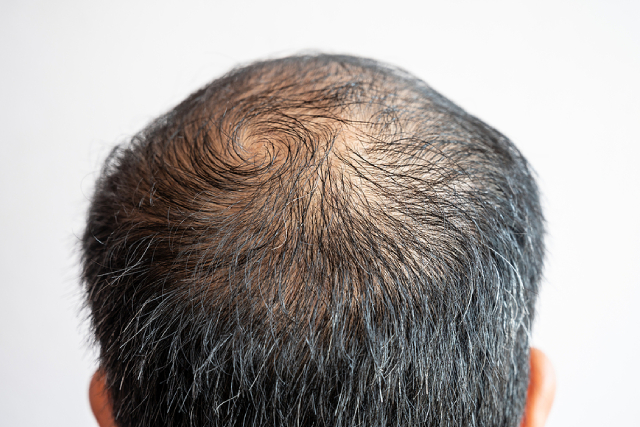
Daily hair loss is a natural part of the hair growth cycle. According to HealthHub, most people shed 50 to 150 strands daily, which usually grow back as part of the natural hair cycle. However, hair thinning at 30 often feels unexpected and concerning because it happens much earlier than the gradual hair loss many expect with ageing.
The reality is that premature hair thinning can be caused by genetics, stress, diet, hormonal imbalance, or even medical conditions. Understanding whether you are experiencing normal shedding or premature loss is the first step to getting the right help.
Common Causes In Men And Women
When individuals notice their hair thinning earlier than expected, they usually search for the root causes. Here are the most frequent ones:
Genetics
Hereditary hair loss is one of the leading causes. Male pattern baldness and female pattern hair loss are strongly influenced by genetics and sensitivity to hormones like dihydrotestosterone (DHT). Men may notice a receding hairline or crown thinning, while women often see a widening part or overall reduced density.
Stress
Stress-induced hair loss, known as telogen effluvium, is very common in Singapore’s fast-paced work culture. Intense deadlines, financial worries, or personal stress can push more hairs than usual into the shedding phase. This form of hair loss is often temporary if stress is managed.
Nutrition
Diet is frequently discussed online when it comes to thinning hair. Nutrient deficiencies, especially in iron, zinc, protein, and vitamins like B12 and D, can weaken follicles. Singaporeans on restrictive diets, such as certain weight-loss plans, may notice increased shedding after a few months.
Hormonal Changes
Hormones are another top-searched cause of hair thinning. For women, pregnancy, postpartum changes, polycystic ovary syndrome (PCOS), or thyroid disorders can all affect hair. For men, high sensitivity to DHT often accelerates early baldness. Because these issues may sometimes signal underlying medical conditions, routine health screenings can be an important step in detecting and addressing them early.
Is Hair Loss At 30 Reversible?
Whether hair loss at 30 can be reversed depends on the type of thinning and how early it is addressed. Genetic hair loss cannot be completely cured, but it can be slowed and partially reversed with treatment. In contrast, hair loss caused by stress, poor nutrition, or medical conditions like thyroid imbalance is often reversible once the underlying issue is managed.
The timeline for recovery is another common concern. For most people, noticeable improvements only appear after 3 to 6 months of consistent treatment, since hair grows slowly. In cases like stress-related shedding, regrowth may be seen within several months once stress levels are controlled.
It is also important to set realistic expectations. Treatments such as minoxidil, finasteride, and PRP can help thicken existing hair and slow down further loss, but they may not restore a completely full head of hair. Combining medical treatment with proper scalp care and healthy lifestyle habits usually delivers the best outcome.
When To See A Doctor
While some shedding may self-correct, certain signs suggest the need for medical attention:
- Hair loss that is rapid or severe
- Bald patches that appear suddenly
- Scalp symptoms such as redness, flaking, or itching
- Hair loss accompanied by fatigue, weight fluctuations, or other health changes
A doctor can perform scalp examinations and order blood tests to check for anaemia, thyroid imbalance, or nutritional deficiencies. Seeking help early increases the chances of effective treatment.
Treatment Options
There are several effective treatments available in Singapore to slow hair loss and support regrowth. The right option depends on the underlying cause and individual needs.
| Treatment | Who It Suits | How It Works | Notes |
| Minoxidil | Men and women | Topical solution that prolongs hair growth cycle | Must be used consistently |
| Finasteride | Men | Blocks conversion of testosterone to DHT | Prescription only, not for women |
| Platelet-Rich Plasma (PRP) | Both | Uses patient’s blood plasma to stimulate follicles | Requires multiple sessions |
| Lifestyle adjustments | Both | Balanced diet, stress management, better sleep | Works best as supportive care |
These treatments vary in effectiveness depending on the cause of hair loss.
Non-Medical Options
For those who want quicker results or cosmetic improvement, several non-medical methods are available:
Hair Transplants
A hair transplant is a surgical method where healthy follicles are moved to thinning areas. This is popular in Singapore for individuals seeking long-term results and is often performed with advanced techniques for natural outcomes.
Cosmetic Solutions
Scalp micropigmentation, hair fibres, and thickening shampoos are quick fixes that improve appearance but do not address underlying causes. These options are usually combined with medical treatment for the best results.
Prevention And Maintenance Tips
Singaporeans often search for preventive strategies before considering treatment. Here are some effective ways to maintain hair health:
- Eat a balanced diet: Include eggs, leafy greens, salmon, nuts, and seeds for essential protein, vitamins, and minerals.
- Care for your scalp: Use mild shampoos and avoid excessive chemical or heat styling. A clean, healthy scalp promotes stronger growth.
- Manage stress: Regular exercise, mindfulness, or yoga can reduce stress-related shedding.
- Check overall health: Conditions like thyroid imbalance, diabetes, or vitamin deficiency may cause hair thinning. Routine health screenings can help detect these early.
- Avoid harsh habits: Tight hairstyles, frequent colouring, and smoking can weaken follicles over time.
Conclusion
Hair thinning at 30 may feel worrying, but you are not alone. Many Singaporeans experience premature hair loss due to genetics, stress, hormonal changes, or nutritional issues. The good news is that early diagnosis and proper treatment can significantly improve results. From proven medications like minoxidil and finasteride to advanced solutions such as PRP and transplants, there are effective ways to restore confidence and protect long-term hair health.
If you are noticing unusual hair shedding or thinning, consult Elyon Family Clinic & Surgery. Our experienced doctors can assess your condition, recommend the right treatment plan, and help you take early steps to preserve healthy hair.

