
How To Thoroughly Prepare For Your Upcoming Blood Test
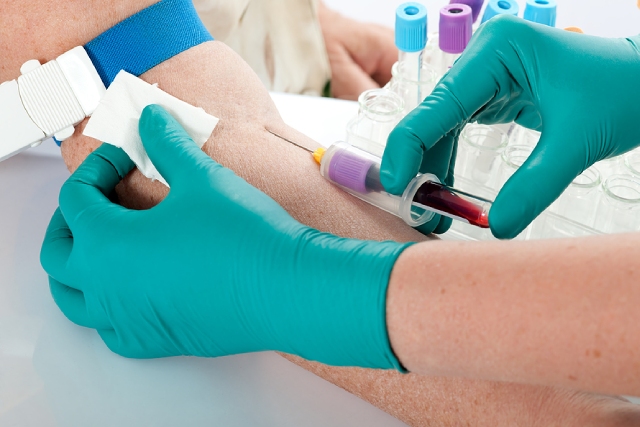
A blood test might seem like a small, routine appointment, but it can reveal a great deal about your health. From checking cholesterol and blood sugar levels to screening for infections or vitamin deficiencies, a simple vial of blood often provides valuable insight. Preparing properly helps ensure your results are accurate and your experience feels smooth rather than stressful.
If you have an upcoming test and are unsure what to expect, this guide will walk you through it step by step, from mental preparation to fasting requirements and what happens during the appointment itself.
Why Blood Tests Matter
Blood tests are commonly used to:
- Monitor ongoing medical conditions
- Investigate symptoms such as fatigue or unexplained weight changes
- Screen for infections
- Check organ function
- Assess overall health during routine check-ups
They are also part of specific assessments, including employment health checks or pre-marital health screening. Whatever the reason, accurate preparation makes a difference to the reliability of your results.
1. Understand What Your Test Is For
Before your appointment, clarify exactly which blood tests you are taking. Different tests have different preparation requirements.
For example:
- Fasting blood glucose or lipid panel often requires fasting.
- Full blood count (FBC) usually does not require fasting.
- Hormone tests may need to be done at specific times of the day.
If you are unsure, contact the clinic beforehand and ask whether you need to fast, avoid certain medications, or adjust your routine. It is better to check than to assume.
2. Know Whether You Need To Fast
One of the most common questions patients ask is: “Do I need to fast?”
Fasting typically means:
- No food for 8–12 hours before the test
- Plain water is allowed
- No coffee, tea, juice, or milk
- No chewing gum or sweets
Fasting is usually required for tests that measure:
- Blood sugar
- Cholesterol and triglycerides
- Certain metabolic markers
Eating before these tests can temporarily raise glucose and fat levels in your blood, which may affect the accuracy of your results.
Tips For Fasting Comfortably
- Book a morning appointment so you can fast overnight while sleeping.
- Drink water to stay hydrated.
- Avoid intense exercise before the test, as it may affect certain readings.
If you accidentally eat or drink something other than water, inform the clinic. They may advise rescheduling to ensure reliable results.
3. Continue Or Pause Medications? Ask First
Some medications and supplements can affect blood test results.
For example:
- Iron supplements may influence iron studies.
- Biotin supplements can interfere with certain hormone tests.
- Steroids may alter glucose levels.
Do not stop prescribed medication without medical advice. Instead, check with your doctor beforehand. They will guide you on whether to continue as usual or pause temporarily.
4. Stay Hydrated
Drinking enough water before your blood test makes a practical difference.
When you are well hydrated:
- Your veins are easier to locate
- The blood draw is usually quicker
- There may be less discomfort
Dehydration can make veins less visible and may slightly increase the likelihood of feeling lightheaded.
Aim to drink plain water in the hours leading up to your test, especially if you are fasting.
5. Prepare Mentally
Feeling anxious about needles is more common than many people admit. Even adults who handle medical procedures calmly may feel uneasy before a blood draw.
A few simple steps can help:
- Take slow, steady breaths while waiting.
- Avoid watching the needle if that makes you uncomfortable.
- Let the nurse know if you tend to feel faint.
Clinicians are experienced in helping nervous patients. If you have fainted during blood tests before, mention it beforehand so they can take precautions, such as having you lie down during the procedure.
Remind yourself that the actual blood draw usually takes less than five minutes.
6. What To Expect During The Appointment
Knowing the process often reduces anxiety.
Here is what typically happens:
1. Registration and verification – Your details and test requirements will be confirmed.
2. Seating or lying down – You may sit in a chair with arm support or lie on an examination bed.
3. Cleaning the area – The inner elbow area is cleaned with an antiseptic wipe.
4. Tourniquet applied – A band is placed around your upper arm to make veins more visible.
5. Blood draw – A small needle is inserted into the vein to collect blood samples.
6. Pressure applied – Once done, the needle is removed and pressure is applied to stop bleeding.
You may feel a small pinch when the needle goes in, but most people describe the sensation as brief and manageable.
Afterwards, a small plaster is applied. Keep pressure on the site for a minute or two to reduce bruising.
7. After The Blood Test
Most people can resume normal activities immediately.
However:
- If you were fasting, eat soon after to prevent dizziness.
- Avoid heavy lifting with the arm used for the blood draw for a few hours.
- If bruising occurs, apply gentle pressure or a cold compress.
It is normal to feel slightly lightheaded if you have not eaten. Sit down and rest if needed.
Seek medical advice if you experience prolonged bleeding, significant swelling, or persistent pain, though these are uncommon.
8. Special Considerations
If You Are Pregnant
Certain blood tests may require specific timing during pregnancy. Follow your doctor’s instructions closely.
If You Have Small Or Hard-To-Find Veins
Inform the nurse beforehand. Staying hydrated and keeping warm can help veins become more visible.
If You Are Bringing A Child
Explain the process in simple terms. Reassure them that it will be quick and that they can hold your hand. Calm preparation reduces fear significantly.
9. Timing And Results
Blood test results can take anywhere from a few hours to several days, depending on the type of test.
Some routine panels are processed quickly, while specialised tests may require additional laboratory analysis.
Ask the clinic:
- How and when you will receive your results
- Whether a follow-up consultation is needed
Understanding the timeline helps reduce unnecessary worry while waiting.
10. Common Mistakes To Avoid
To ensure accurate results, try to avoid:
- Eating or drinking (besides water) before a fasting test
- Drinking alcohol the night before
- Engaging in intense exercise just before the test
- Forgetting to mention supplements or medications
- Arriving extremely dehydrated
Small oversights can sometimes lead to inaccurate readings, which may require repeat testing.
Final Thoughts
A blood test is a simple yet powerful tool for understanding your health. Preparation does not have to be complicated. Clarify your instructions, fast if required, stay hydrated, and approach the appointment calmly.
Most importantly, remember that the goal of a blood test is not to create worry but to provide clarity. Early detection and accurate monitoring allow you to make informed decisions about your well-being.

