
How Often Are People in Singapore Getting Tested for STDs?
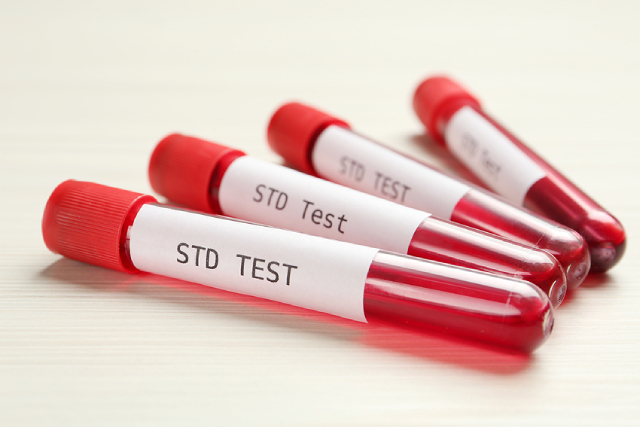
Regular testing for STDs is an important step in health maintenance, as many STDs go undetected due to the absence of symptoms. As Singaporeans continue to use dating apps and meet new partners, the risk of exposure increases, making routine screenings even more essential. Post-COVID, the focus on healthcare access and personal responsibility has intensified conversations around STD testing, but are Singaporeans actually getting tested on a regular basis?
STD testing frequency in Singapore – what the data says
According to the Ministry of Health (MOH) in Singapore, 188 new HIV cases were reported between January and October 2023, marking a 10% increase compared to the same period in 2022.
Of the 104 cases analysed from the first half of 2023, 97% were male, with most aged between 30 and 59. Notably, 48% were diagnosed at a late stage, although this represents an improvement from the previous year. Sexual transmission remains the primary mode of infection, accounting for 96% of cases – 68% involved men who have sex with men (MSM), while 28% were heterosexual transmissions. A majority of cases (58%) were detected during medical care, often at a later stage, while 18% were found through self-initiated HIV testing, with MSM significantly more likely to undergo voluntary screening. These trends highlight the ongoing need for early and regular HIV testing, especially among high-risk groups.
Awareness campaigns and newer initiatives like DIY testing kits – approved for HIV self-testing since 2022 – have started to shift behaviours. These kits allow for HIV testing to be done discreetly at home, potentially reducing barriers associated with traditional clinic visits. The availability of such tools represents a step forward in normalising testing and increasing access.
Why are people (still) not testing regularly?
Even with greater public education, STD anxiety and stigma remain as powerful barriers to testing. A lot of Singaporeans still perceive STDs as embarrassing or indicative of promiscuous behaviour, and many people are too embarrassed to go to a clinic or even talk to their partner about sexual health. Fear of having to accept a positive result, not knowing where to go for a test, and the false belief that no symptoms equals no infection are also common reasons why people avoid getting tested.
Cultural conservatism in Singapore may also limit open discussion on sexual health, especially with young adults and older individuals. And even to those aware of the risks, it is common to skip testing altogether, or at least delay it until symptoms appear, which, in many cases, they rarely do.
Recommended STD testing frequency
Healthcare professionals recommend varying testing intervals based on your level of sexual activity and your risk level:
- General population: Once a year is a reasonable guideline for those who are sexually active but in monogamous relationships or with low-risk exposure.
- High-risk individuals: Anyone who has sex with more than one partner, anyone who has had casual or anonymous sex and members of the MSM group are advised to test every 3 to 6 months.
- Situational testing: If you have had unprotected sex, a new sexual partner or if there are any symptoms (including abnormal discharge, sores or painful urination), testing should be conducted immediately.
Regular testing isn’t just good for you — it’s also good for your partners. It helps in the identification and timely application of treatment, reducing the associated complications or the chances of being transmitted to others.
What tests are most common in Singapore?
The most frequently conducted STD screenings in Singapore include tests for:
- HIV: Usually done via blood tests, and more commonly provided in home kits.
- Chlamydia and gonorrhea: Detected through urine samples or swabs.
- Syphilis: Identified via blood tests, and sometimes tested more regularly in higher-risk populations as part of standard screenings.
- HPV: Typically included in cervical screening for women, though anal HPV testing may be offered for men at risk.
There are some differences in the STD tests offered for men and women. For example, women may need pelvic exams and pap smears to detect certain infections, such as HPV, while men might undergo urethral swabs or urine-based screenings. The type of test recommended will be tailored based on your individual risk factors, symptoms, and gender.
Normalising regular testing as part of your routine
Just as with any personal health regimen one might have, performing regular STD testing is not just about what you owe to yourself, but to others you come into close contact with. As Singapore evolves its healthcare tactics, including approving home test kits and launching targeted awareness campaigns, it is now more accessible than ever to take charge of your sexual health.
Elyon Family Clinic & Surgery offers discreet, judgement-free consultations and testing services for all individuals, regardless of background or sexual orientation. Whether you need a routine check-up, targeted testing, or simply want to speak to a doctor about your concerns, Elyon provides a safe and confidential space to do so.
Make sexual wellness a priority. Book your appointment today with Elyon Family Clinic & Surgery and take the first step towards better health.

