
HIV Testing Before National Service: What NSFs and Enlistees Should Know
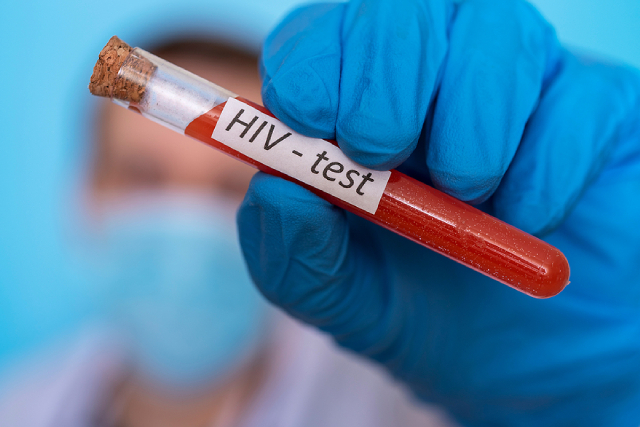
Getting the enlistment letter in the post is a strange kind of milestone. There’s the paperwork, the haircut appointments, the group chats full of seniors sharing “tips” that may or may not be accurate. Somewhere in the middle of all that admin sits a medical screening that catches a lot of pre-enlistees off guard: an HIV test, done as a routine part of the process rather than something reserved for high-risk cases.
For most young men, this is the first proper blood test they’ve had outside of a school health check. Naturally, questions come up. Is it compulsory? Will a positive result end National Service before it starts? Who finds out? This article walks through what actually happens, why HIV testing is part of the process, and what enlistees and their families should know before medical screening day arrives.
Why HIV Testing Is Part of Pre-Enlistment Screening
HIV testing has been offered to all male enlistees as part of routine pre-enlistment health screening for years, alongside blood group typing, haemoglobin, and G6PD tests. This isn’t unique to Singapore’s armed forces. Screening large cohorts of young adults is one of the more effective ways public health authorities catch undiagnosed cases early, since HIV can sit silently in the body for years without obvious symptoms.
According to the Ministry of Health, a large proportion of new HIV diagnoses in Singapore continue to be picked up only at a late stage of infection, which makes routine screening opportunities like this one genuinely useful rather than just a box-ticking exercise. Blood samples taken at medical screening stations run by CMPB include HIV testing as standard, and results feed into your overall medical fitness grading for deployment purposes.
Is the Test Compulsory?
For enlistment purposes, yes. It’s built into the standard blood panel taken during your medical screening, and there’s no separate opt-out form to fill in the way there sometimes is at hospitals under the voluntary opt-out screening programme. The test itself is straightforward: a blood draw, sent off for lab processing alongside your other panels, with results feeding into your medical classification.
It helps to think of this less as a hurdle and more as a health check you’d probably benefit from having anyway. Plenty of young men go their entire twenties without ever getting tested for HIV, simply because there’s never a natural prompt to do so. Pre-enlistment gives you that prompt, whether you were expecting it or not.
What Happens If the Result Comes Back Positive
This is the part that understandably worries people, and also the part where misinformation tends to spread fastest. Rumours about being isolated or barred from society altogether are exactly that: rumours, and not accurate reflections of how this is actually handled.
In practice, a positive result triggers a confirmatory test, because a single screening test is never used on its own to make a diagnosis. If HIV infection is confirmed, the case is managed medically like any other chronic condition, with the enlistee referred for proper counselling and treatment. Deployment decisions get made on a case-by-case basis by medical officers, factoring in overall health and the nature of the role being considered, rather than a blanket exclusion. Modern antiretroviral therapy means people living with HIV can lead full, healthy lives, and Singapore’s medical system treats it accordingly.
Under the Infectious Diseases Act, confirmed positive results are reported to MOH within a set timeframe, which is standard practice for a number of infectious diseases, not something specific to enlistees. This is separate from anonymous testing services, which exist precisely because some people prefer to test without personal details being recorded at all.
Getting Tested Before Enlistment Day
Some pre-enlistees choose to get an HIV test done privately before their official screening date, often simply for peace of mind or because they’ve had a specific exposure they want clarity on sooner. If that’s you, a few practical points are worth keeping in mind:
- Rapid tests can give results within 20 to 30 minutes, while lab-based antibody or PCR tests typically take a few working days
- There’s a window period after potential exposure during which a test may not yet detect infection, so timing matters
- Anonymous testing options exist if privacy is a priority, separate from the identified testing done through your GP
Choosing the right HIV clinic can make the process feel considerably less daunting, particularly if it’s your first time being tested for anything. A good clinic will walk you through pre-test counselling, explain what the different test types actually measure, and give you a clear picture of what your results mean rather than just a number on a page.
A Quick Note for Parents
Parents often have just as many questions as the enlistees themselves, sometimes more. It’s worth knowing that pre-enlistment health screening exists to protect your son’s health and the wellbeing of everyone he’ll be serving alongside, not to catch anyone out. If a result does come back positive, the priority from a medical standpoint becomes management and treatment, not punishment. Having an open conversation with your son ahead of his screening date, without pressure or panic, tends to make the whole process far smoother for everyone involved.
Getting Ready With Confidence
Enlistment brings enough unknowns without HIV testing being one of the confusing bits. Understanding why it’s there, how results are handled, and what your options are beforehand takes a lot of the anxiety out of medical screening day. Testing regularly, whether or not enlistment is on the horizon, is simply good practice for anyone who’s sexually active.
If you’d like a private HIV test before your official screening date, or just want a clinic that will talk you through the process without judgement, the team at Elyon Family Clinic & Surgery offers confidential HIV testing with proper pre and post-test counselling. Book an appointment and get clarity before enlistment day arrives.

