
HIV PEP in Singapore: Cost, Eligibility & How Fast To Act
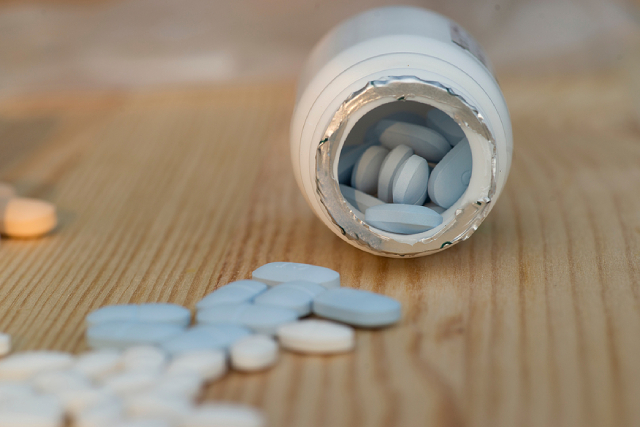
A moment of panic after a risky sexual encounter can feel isolating, especially when you are unsure what to do next. Whether it was a broken condom, a one-off encounter with an unknown status, or a needle-related exposure, the fear of what might come next is real and completely understandable. The good news is that Singapore has a well-established medical pathway for exactly this situation, and acting quickly can make a genuine difference.
This is where HIV Post-Exposure Prophylaxis, commonly known as PEP, comes in. It is a short course of antiretroviral medication that, when started promptly, significantly lowers the chance of HIV taking hold in the body. This article walks through what PEP actually involves, who qualifies for it, roughly what it costs here in Singapore, and why the clock genuinely matters when it comes to getting treated.
What Exactly Is HIV PEP?
PEP stands for Post-Exposure Prophylaxis. It typically involves taking two or three antiretroviral drugs daily for around 28 to 30 days. These medications work by interrupting the virus’s ability to replicate in the body, giving your immune system a fighting chance before HIV can establish a permanent infection.
According to the Department of STI Control (DSC) Clinic, part of the National Skin Centre, PEP is not one hundred percent effective and there have been cases of people who have still been infected with HIV despite receiving PEP. That said, when started early and taken correctly, the protection it offers is considerable, which is why speed and consistency both count for a lot here.
It is worth noting that PEP is designed for occasional, one-off exposures. If you find yourself repeatedly in situations of risk, your doctor at an HIV PEP clinic may suggest a different approach altogether, such as Pre-Exposure Prophylaxis (PrEP), which is taken daily on an ongoing basis rather than reactively.
Am I Eligible for PEP?
Not everyone who walks in asking for PEP will be prescribed it, and that is by design rather than gatekeeping. Doctors assess the actual level of risk involved before recommending treatment, since the medication does carry potential side effects and is not meant to be handed out indiscriminately.
Generally, PEP may be considered appropriate if you have had:
- Unprotected vaginal or anal sex with a partner of unknown or positive HIV status
- A condom break or slip during intercourse with a higher-risk partner
- A needle-stick injury or shared needle exposure
- Sexual assault involving potential HIV exposure
PEP is not given to everyone because of the potential side-effects and also if the risk of the exposure is deemed to be extremely low, such that the benefits of taking the medication do not outweigh the risks. If your partner is known to have an undetectable viral load, for example, your doctor may explain that the actual transmission risk is close to zero, meaning PEP would not be necessary. This is also a good moment to flag that a consultation like this is often a chance to discuss broader sexual health, including how to prevent transmission of STI more generally, alongside the HIV-specific conversation.
The 72-Hour Window: Why Timing Is Everything
If there is one thing to take away from this article, it is that time is not on your side after a potential exposure. PEP needs to begin within 72 hours of the incident to have any real chance of working, and the earlier you start within that window, the better your odds.
Doctors generally recommend starting within 24 hours wherever possible. Waiting even a day or two longer within the 72-hour window can noticeably reduce how effective the treatment ends up being, since the virus is given more time to establish itself before the medication has a chance to intervene.
This is precisely why hesitating, feeling embarrassed, or trying to “wait and see” can work against you. A same-day or next-day appointment at a clinic that offers walk-in PEP assessments gives you the best possible shot at prevention.
How Much Does HIV PEP Cost in Singapore?
Cost is understandably one of the first questions people have, and the honest answer is that it varies depending on where you go and which drug regimen your doctor recommends.
| Provider Type | Approximate Cost Range |
| Government STI clinic (e.g. DSC Clinic) | Subsidised, lower cost option |
| Private general practitioner or sexual health clinic | Varies by regimen and tests included |
The approximate cost of PEP treatment at the DSC Clinic ranges from $400 to $800, making it one of the more accessible routes if budget is a primary concern. Private clinics tend to sit at a different price point, largely because the newer combination drugs, baseline blood tests, and follow-up consultations all factor into the final bill. It is always sensible to ask for a clear cost breakdown before starting treatment so there are no surprises partway through the month-long course.
Some clinics also allow payment on a weekly basis rather than requiring the full amount upfront, which can ease the financial pressure during an already stressful time. If you are uninsured or on a tighter budget, it is worth asking directly whether instalment options are available.
What Happens During and After the Course
Once you begin PEP, you will typically be scheduled for follow-up visits and blood tests, including repeat HIV testing at intervals such as one month and three months later. This monitoring is not just a formality. It confirms whether the treatment has worked and checks for any side effects along the way.
Mild side effects such as nausea, fatigue, or headaches are fairly common in the first few days and usually settle down as your body adjusts. Severe reactions are rare but possible, which is why ongoing doctor supervision throughout the month is part of standard care rather than an optional extra.
It is also standard practice to test for other sexually transmitted infections during this period, since a single exposure event can sometimes carry more than one risk at once. Your doctor will guide you through which additional tests make sense based on your specific situation.
Take the Right Step, Quickly
Reaching out for help after a risky exposure is not something to feel ashamed about. Sexual health clinics across Singapore see this situation regularly, and the process is designed to be discreet, judgement-free, and focused entirely on getting you the care you need without delay.
If you think you may have been exposed to HIV within the last 72 hours, do not wait around hoping the risk will simply pass. Reach out to Elyon Family Clinic & Surgery for a confidential same-day assessment and, where appropriate, prompt access to PEP medication.

