
Anonymous HIV & STD Testing: How It Works & Where to Go
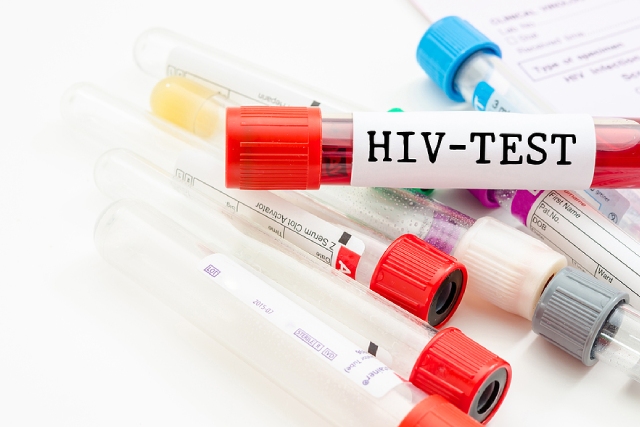
Getting tested for HIV or other sexually transmitted infections can feel like a big step, especially if you’re worried about who might find out. That worry stops a lot of people from booking an appointment at all, even when they know deep down that testing is the responsible thing to do. The good news is that Singapore has systems built specifically for this concern, so you don’t have to choose between your privacy and your health.
Anonymous STD testing exists precisely because health authorities recognise that fear of exposure, judgement or awkward questions can keep people away from clinics. Whether you’ve had a new partner, a condom slipped off, or you simply haven’t been tested in a while, there’s a way to check your status without your name ever being attached to the result.
This article walks through how anonymous testing actually works in Singapore, what to expect at each stage, and where you can go.
What “Anonymous” Actually Means
Anonymous testing isn’t the same as confidential testing, and understanding the difference helps you pick the right route. In a confidential test, your name and NRIC are recorded, but the clinic keeps that information private under medical confidentiality rules. In a genuinely anonymous test, no identifying details are taken at all. You’re usually given a code or number instead of using your name, and that code is what links you to your result.
The Ministry of Health has run an official Anonymous HIV Testing Programme since 2008, when it expanded the number of approved anonymous test sites in response to growing demand from people who wanted to be tested without being identified to healthcare staff. Under this scheme, anyone, local or foreign, can walk into a participating clinic and ask for an anonymous HIV test without providing a name, passport number or address.
Why People Choose Anonymous Testing
There are several reasons someone might prefer this route over a standard clinic visit:
- Concerns about stigma, particularly within close-knit family or work circles
- Wanting to test before disclosing anything to a partner
- Needing a status check after a one-off risky encounter
- Preferring not to have test results appear in personal medical records
- Simply valuing privacy as a matter of principle
None of these reasons need justifying to anyone, including the clinic staff. This is exactly why you should get tested now if it’s been on your mind, rather than waiting for a “better” moment that may never arrive.
How the Process Works
The actual testing process is far less clinical and intimidating than people expect. Here’s roughly how a visit unfolds:
1. Registration. Instead of your identity card, you’ll be assigned a unique code or number. This is what appears on your test results, not your name.
2. A short consultation. A doctor or counsellor will usually ask about your risk exposure and answer any questions, still without recording who you are.
3. Sample collection. Depending on the test, this might be a finger-prick blood sample or an oral swab.
4. Waiting for results. Rapid tests can return results in around 20 minutes, while lab-based confirmatory tests may take a few days.
5. Results and counselling. You’ll be talked through what the result means, and if anything comes back reactive, you’ll be guided towards confirmatory testing and treatment options.
Keep in mind that a single rapid test result isn’t a final diagnosis on its own. If a test comes back reactive, a follow-up confirmatory blood test is needed before anything is certain, and that step still happens without your anonymity being broken.
Understanding the Window Period
One detail that trips people up is the window period, the gap between potential exposure and when a test can reliably detect infection. Testing too early can give a false negative simply because the body hasn’t yet produced detectable antibodies. According to the Ministry of Health, if a test result comes back negative but there’s been a recent unprotected exposure or an ongoing higher risk, it can take up to three months for antibodies to develop, and repeat testing is recommended in that case. If you test too soon after a specific incident, ask your clinic when it would be best to retest to be sure.
Where to Go for Anonymous Testing
A handful of MOH-approved sites across Singapore offer this service, alongside self-testing kits now sold at selected retail pharmacies islandwide since early 2025 for those who prefer to test privately at home before deciding on next steps. Self-testing kits are a useful first checkpoint, but they aren’t a substitute for a proper clinical visit, especially if a result comes back reactive or if other STDs are a concern alongside HIV.
Beyond the dedicated anonymous sites, many GPs and family clinics also offer confidential HIV and STD screening as part of their regular services. This route won’t be anonymous in the strict MOH sense, since your visit is recorded like any other consultation, but it still keeps your results private under standard medical confidentiality. Elyon Family Clinic is one such option, offering discreet STD screening alongside a proper consultation to talk through your risk and next steps.
What About Other STDs?
HIV tends to dominate the conversation, but chlamydia, gonorrhoea, syphilis and hepatitis B and C are all worth screening for too, particularly if you’re sexually active with new or multiple partners. Many clinics offer combined STD panels that can be arranged discreetly, even if full anonymity (as opposed to confidentiality) is typically reserved specifically for HIV testing under the official programme. A doctor can advise which combination of tests suits your situation and risk history.
Taking the Next Step
Putting off a test rarely makes the underlying worry go away. It usually just delays the moment you get an answer and, if needed, start treatment that works far better the earlier it begins. If you’d rather have a private, judgement-free conversation with a doctor about your risk and testing options, Elyon Family Clinic & Surgery offers confidential STD screening and consultations in a comfortable, discreet setting.

