
Understanding Window Periods: When to Retest After Exposure
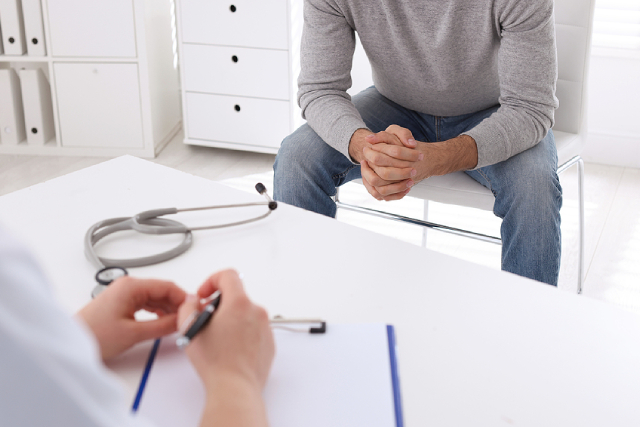
After a possible exposure to HIV or another sexually transmitted infection (STI), it’s completely normal to feel anxious and uncertain. Many people want answers immediately, but testing too soon may not give you the results you’re hoping for. That’s because of the “window period.”
The window period is the time after an infection enters the body but before it can be reliably detected by a test. Understanding this period is crucial; it not only helps you get an accurate diagnosis but also guides you on when to retest and how to protect yourself and others in the meantime.
Getting tested at the right time can prevent unnecessary stress and help you make informed decisions about your health. By knowing what to expect, you can approach testing confidently rather than in fear or confusion.
What is a window period?
The “window period” is a medical term that simply describes the time between exposure to an infection and when it becomes detectable by a diagnostic test. During this period, the infection is present, but the body hasn’t produced enough detectable markers, such as antibodies or antigens, for the test to pick up.
Different infections and different types of tests have varying window periods. For example, some HIV tests look for the virus itself (PCR tests), while others detect antibodies or antigens created by your immune system. Each test type has its own timeline for when it becomes reliable.
Think of it like a sprout: the seed is in the soil, but you won’t see it above ground until it’s had time to grow. Testing too early is like looking for that sprout before it has even broken the surface—you might miss it even though it’s there.
Understanding the window period is also important because it affects when you should retest. Testing too early could give you a false sense of security, while testing too late could delay treatment.
Common window periods in Singapore
Medical technology has made HIV and STD testing more accurate and accessible than ever. However, each infection and each type of test has a slightly different timeline for when it can reliably detect the infection. Here’s an overview of common infections and their typical window periods:
- HIV
- HIV PCR test (RNA/DNA): Can detect the virus itself as early as 10–14 days after exposure.
- HIV Rapid/ELISA (antigen/antibody): Most reliable from around 18–45 days.
- HIV antibody-only test: Usually becomes accurate 4–12 weeks after exposure.
- Chlamydia & Gonorrhoea
- Urine or swab tests typically detect these infections within 1–2 weeks.
- Syphilis
- Blood tests can usually detect syphilis reliably about 3–6 weeks after exposure.
- Hepatitis B & C
- Antigen or antibody blood tests are usually reliable between 4–10 weeks, though some cases may take longer.
Because each infection and test type has a different window period, it’s best to get professional guidance. A trusted sexual health clinic can help determine the right test at the right time based on your exposure history.
Risks of testing too early
Testing too soon carries the risk of a false negative. This is when a test shows a negative result even though you may be infected. False negatives are common if testing is done before the infection reaches detectable levels.
A false negative can create a dangerous sense of security. You might assume you’re clear, continue sexual activity, or delay seeking medical care—all of which increase the risk of spreading the infection and allow it to progress untreated.
For this reason, healthcare professionals often recommend a two-step testing approach: an early test for peace of mind, followed by a confirmatory test once the window period has passed. This approach ensures that your results are accurate and reliable, and it helps you make informed decisions about your health.
Retesting is also a way to manage anxiety. Knowing you have a plan and a schedule for testing can reduce stress and give you a sense of control over an uncertain situation.
When to retest after exposure
After a potential exposure, you may be wondering: “When should I test again?” While it depends on the infection and test type, there are general timelines that most doctors recommend.
Here’s a helpful guide for retesting:
| Infection | Earliest Test (Days) | Confirmatory Test (Weeks) | Notes |
| HIV PCR | 10–14 days | 6 weeks | Detects viral RNA early |
| HIV Rapid/ELISA | 18–28 days | 12 weeks | Combination antigen/antibody test |
| Chlamydia | 7–14 days | 2–3 weeks | Urine or swab testing |
| Gonorrhoea | 7–14 days | 2–3 weeks | Urine or swab testing |
| Syphilis | 21 days | 6–12 weeks | Blood test |
| Hepatitis B | 28 days | 12 weeks | Blood test |
| Hepatitis C | 28 days | 12–24 weeks | Blood test |
These timelines are general recommendations. Your doctor may suggest slightly different schedules depending on the type of exposure, your health history, and other risk factors.
It’s also worth noting that repeated testing is common for peace of mind. Even if your initial results are negative, retesting ensures that nothing is missed.
Practical tips while waiting to test
Waiting for the right time to test can be stressful, but there are steps you can take to protect yourself and reduce risk during the window period:
- Practice safe sex: Use condoms or other barrier methods to prevent potential transmission.
- Avoid sharing needles or personal items: This reduces the risk of transmitting bloodborne infections like HIV and Hepatitis.
- Monitor your health: Keep an eye on any unusual symptoms, but remember that many infections may not show symptoms early on.
- Seek professional advice: If you’re unsure about timing or risk, a healthcare professional at a STD clinic can guide you.
Where to test
Singapore offers multiple options for testing, each with its own advantages:
- Public hospitals and polyclinics: Reliable and accessible, though sometimes with longer waiting times.
- Private medical clinics: Provide fast, confidential testing, often with same-day results.
- Specialised STD clinics: Focus on sexual health, offering tailored advice, testing, and follow-up care.
For individuals who value discretion, timeliness, and professional guidance, Elyon Family Clinic & Surgery offers confidential HIV and STD testing in a supportive environment. The team is experienced in guiding patients through the testing process with care and understanding.
Conclusion
Understanding the window period can reduce uncertainty and help you take the right steps after a potential exposure. Testing too early can lead to false negatives, while testing at the right time ensures you get accurate results and peace of mind.
If you’ve had a possible exposure, don’t wait for symptoms to appear—many infections remain silent in the early stages. Taking action with timely testing and follow-up ensures your health and protects your loved ones.
At Elyon Family Clinic & Surgery, we offer discreet and compassionate HIV and STD testing services. Our team can guide you on when to test, when to retest, and how to protect your health while you wait for results.
Book your consultation today to take control of your sexual health with confidence!

