
Understanding Syphilis in Singapore: Testing and Treatment
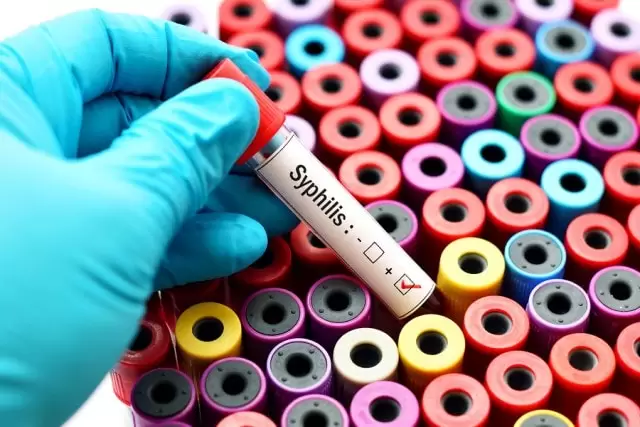
Syphilis is one of the most common sexually transmitted diseases (STD) present in the Singapore population. If left untreated, syphilis can have serious complications, including nerve damage, blindness, and death. However, syphilis is very easy to cure if you can detect it early through a syphilis test in Singapore, as well as other STD tests and screenings available locally.
Here are a few facts you should know about the disease:
Contracting Syphilis
The only way to contract syphilis is through direct contact with a syphilis sore during oral, vaginal or anal sex. When someone is infected with syphilis, these sores can be found on the vagina, penis, or anus. They can also be found on the lips, in the mouth or in the rectum.
Preventing Syphilis
As the bacterium can only transmit through direct contact with a sore, the best way to reduce the risk of contracting syphilis is to correctly use a condom whenever having vaginal, anal or oral sex. It is also important to be on the lookout for syphilis sores when you are having sex with a new partner.
Syphilis Sores
A syphilis sore is typically painless and can take 3 weeks to 3 months to appear after the infection. These sores are usually firm and round. Even without any treatment, syphilis sore will disappear after 3 to 6 weeks. This does not mean that the disease has been cured – the bacterium is still latent inside the body. If left untreated, the disease will move on to the later stages of syphilis.
Syphilis patients are also at a higher risk of contracting other STDs, such as HIV. It is difficult to diagnose syphilis from the presence of the sore alone, or through pictures, as the symptoms will vary from person to person. You should go for STD testing to know for sure whether or not you have contracted the disease.
Secondary and Tertiary Stages of Syphilis
When syphilis moves on to the second stage, you will notice painless rashes on your body. They can look like brown, rough or reddish spots on your palms or the bottom of your feet. These rashes usually are not itchy and can be very faint, to the point where it is unnoticeable. Whether or not you receive syphilis treatment, the symptoms of this stage will go away on its own, but that doesn’t mean the disease is cured. Without proper treatment, the infection can move to the tertiary stage, where it can get life-threatening.
During the tertiary stage, which can happen 10 to 30 years after the initial infection, you can experience extremely serious symptoms including blindness, deafness, stroke, dementia and heart disease. At this stage, syphilis can cause death.
Testing and treatment for Syphilis
A simple blood test can tell whether or not you have contracted the syphilis bacterium. This test is available at Elyon Clinic, and the results take approximately 1 to 3 working days.
If you do detect syphilis early, treatment is quite easy – the doctor will prescribe you courses of antibiotics. However, it is important to note that treatment cannot undo any damage that the virus had previously done to the body. Thus, it is extremely important to get tested early for this disease.

