
PrEP in Singapore 2026: Cost, Subsidies & Who Should Consider It
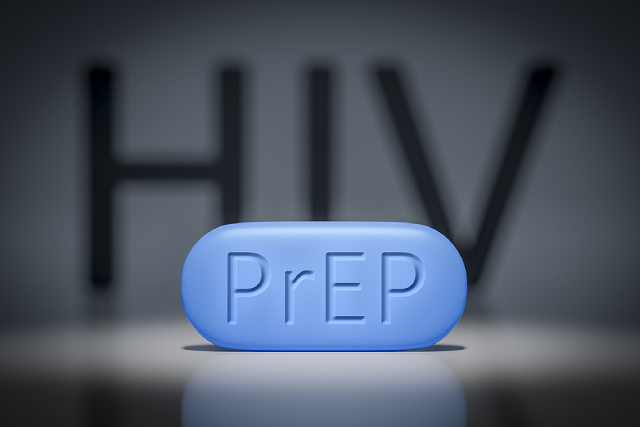
HIV prevention has come a long way, and PrEP is one of the biggest reasons why. If you’ve been hearing the term thrown around by friends, on forums, or during a routine health screening, you’re probably wondering what it actually involves and whether it makes sense for you.
Pre-Exposure Prophylaxis, or PrEP, is a daily or event-based medication regimen that significantly lowers the risk of contracting HIV. It’s not a vaccine and it doesn’t protect against other sexually transmitted infections, but for the specific job it does, it’s remarkably effective when taken correctly. Given how much interest has grown around sexual health in Singapore over the past few years, understanding the real costs and subsidy landscape in 2026 is a good place to start.
What exactly is PrEP?
PrEP uses a combination of two antiretroviral drugs, tenofovir and emtricitabine, originally developed to treat HIV. When taken by someone who is HIV-negative, these same drugs work preventively, stopping the virus from establishing itself in the body even after exposure. Clinical studies have shown that consistent, correctly-timed use can reduce transmission risk by up to 99 percent through sexual contact.
There are two general approaches:
- Daily PrEP, taken every day regardless of sexual activity, offering continuous protection.
- Event-driven PrEP, sometimes called “on-demand,” taken around specific instances of potential exposure. This approach isn’t suitable for everyone and should only be used under medical guidance.
Who should consider PrEP?
PrEP isn’t meant for the entire population. It’s specifically recommended for people at higher ongoing risk of HIV exposure. This might include individuals with multiple sexual partners, those in a relationship with an HIV-positive partner who isn’t virally suppressed, people who don’t consistently use condoms, or those with a recent history of sexually transmitted infections.
A proper consultation at a PrEP clinic is the starting point for anyone curious about whether they fit this profile. A doctor will typically review your sexual health history, run baseline tests including kidney function and HIV status, and talk through your specific circumstances before prescribing anything. This isn’t a walk-in-and-grab-a-pill situation, and that’s by design. Ongoing monitoring, usually every three months, is part of responsible PrEP use, partly because regular testing supports detecting early HIV and catching any side effects before they become a bigger issue.
How much does PrEP cost in Singapore?
This is usually the first question people ask, and understandably so. Cost has historically been one of the biggest barriers to wider PrEP adoption locally.
PrEP medication itself is usually the biggest line item, and pricing depends on whether you go with the branded version or a generic. Branded PrEP tends to sit at the higher end, while generic versions containing the same active ingredients, tenofovir disoproxil fumarate and emtricitabine, are generally a fair bit more affordable and have become a common choice for people looking at this as a long-term commitment.
Medication is only part of the bill, though. Consultations usually start from around $60, and follow-up testing is priced individually depending on which test suits your stage of monitoring:
| Item | Typical Cost |
| Consultation | From $60 |
| HIV Duo Lab Test (4th Gen) | Around $80 |
| Rapid Combo Antigen/Antibody Test | Around $120 |
| Rapid Oral HIV Antibody Test | Around $80 |
| HIV RNA/DNA PCR Test | Around $600 |
| PrEP medication | Monthly or 3-month supply |
Costs vary between clinics, so it’s worth asking for a full breakdown upfront rather than assuming the medication price is the only expense.
Are there subsidies for PrEP in 2026?
Here’s where things get a little more nuanced. As things currently stand, PrEP itself isn’t covered by MediSave or standard insurance plans in Singapore, unlike treatment for those already living with HIV, which does receive subsidy support in certain cases. The Ministry of Health has previously examined the feasibility of subsidising PrEP and PEP more broadly as part of its HIV prevention strategy, acknowledging that both are supplementary preventive options rather than a complete solution on their own.
For people who have already tested HIV-positive, Action for AIDS runs its own financial subsidy schemes to help offset treatment costs, though these are specifically for post-diagnosis care rather than preventive PrEP use. This distinction trips a lot of people up, so it’s worth clarifying with your healthcare provider exactly what applies to your situation.
Because the funding picture keeps shifting, checking directly with your clinic or a recognised sexual health organisation for the latest subsidy updates before committing to a long-term PrEP plan is a sensible move.
What to expect at your first visit
Walking into a clinic for the first time can feel intimidating, especially around a topic that still carries some stigma for many people. A good clinic will make the process straightforward:
1. A private conversation about your sexual health history and risk factors
2. Baseline blood tests, including HIV, kidney function, and hepatitis B screening
3. A discussion of daily versus event-driven regimens based on your lifestyle
4. A prescription and a follow-up schedule, typically every three months
Bring your questions. There’s no such thing as a silly one when it comes to your own health, and a good doctor will take the time to walk you through side effects, drug interactions, and what ongoing monitoring actually involves.
Side effects tend to be mild and short-lived for most people, settling down within the first week or two as the body adjusts, and some people experience none at all.
Making the decision that’s right for you
Choosing whether PrEP fits into your life is a personal decision, shaped by your relationships, your risk profile, and your comfort with ongoing medical monitoring. It works best as part of a broader approach to sexual health that includes regular testing, open conversations with partners, and consistent use of other protective measures against STIs.
If you’re weighing up your options and want a clear, judgement-free conversation about whether PrEP makes sense for you, the team at Elyon Family Clinic & Surgery can walk you through the process, costs, and what ongoing care looks like.

