
Diet & Erectile Function: Is There a Real Link Between Them?
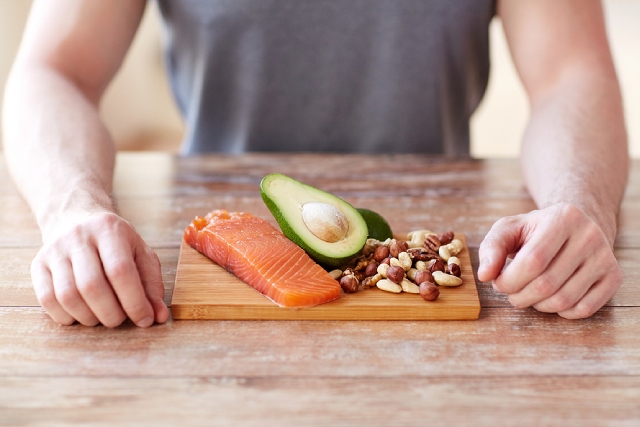
You might not immediately connect what’s on your plate with what happens in the bedroom, but the science says you should. There is a very real relationship between the food you eat every day and your sexual health, and it is one worth paying attention to.
Whether you have noticed some changes recently or you are simply curious about the topic, here is a straightforward look at what we actually know about diet and erectile function.
First, Let’s Talk Numbers
Erectile dysfunction is far more common than many people realise. A population-based study published in the Singapore Medical Journal found that over half of Singaporean men aged 30 and above (51.3%) reported some degree of erectile dysfunction, with prevalence rising from 42.8% in men in their forties to 77.4% in their sixties.
That is a significant proportion of the male population, and it tells us that this is not a niche concern. It is a mainstream health issue, and lifestyle, including diet, plays a meaningful role in both its development and management.
So, What Does Diet Actually Do?
Think of your vascular system as the engine behind erectile function. Erections rely on healthy blood flow, which depends on blood vessels that are flexible, clear, and responsive. When your diet is consistently poor and high in processed foods, refined sugars, and unhealthy fats, it can contribute to inflammation, poor circulation, and conditions like high blood pressure, high cholesterol, and diabetes. All of these are well-established risk factors for erectile difficulties.
On the flip side, a diet rich in whole foods, healthy fats, vegetables, and lean proteins supports cardiovascular health in a way that directly benefits erectile function. It is the same engine, just better maintained.
Some men also explore natural remedies as part of a broader lifestyle approach, though it is always best to discuss these with a doctor before making any changes.
The Diet and Blood Flow Connection
The key player in all of this is nitric oxide, which is a compound your body produces that signals blood vessels to relax and allow blood to flow freely. Without adequate nitric oxide, achieving and maintaining an erection becomes considerably harder.
Certain foods actively support nitric oxide production: leafy greens, beetroot, nuts, and oily fish are among the most well-studied. Others, particularly processed foods, refined carbohydrates, and diets high in unhealthy fats, do the opposite. They promote inflammation and damage blood vessel walls over time, quietly working against your body’s ability to function well.
This is not about one meal or one bad week. Diet works cumulatively. What matters is your overall eating pattern across months and years, which is actually encouraging news because it means small, consistent improvements genuinely add up.
Foods That Support Erectile Function
You do not need to overhaul your entire lifestyle overnight. Start with these:
- Leafy greens and beetroot — high in nitrates, which the body converts to nitric oxide
- Fatty fish (salmon, mackerel, sardines) — rich in omega-3 fatty acids that support blood vessel health
- Nuts and seeds — particularly walnuts, which are a good source of arginine, a building block for nitric oxide
- Berries and citrus fruits — packed with antioxidants that protect blood vessels
- Whole grains — help maintain healthy blood sugar and cholesterol levels
- Olive oil — anti-inflammatory and a staple of some of the most heart-healthy diets in the world
Foods That Work Against You
Just as important is knowing what to limit. Diets consistently high in the following have been linked to poorer vascular health and, by extension, greater risk of erectile difficulties:
- Processed and ultra-processed foods
- Red and processed meats consumed regularly in large quantities
- Refined carbohydrates and added sugars
- Excessive alcohol
- Foods high in trans fats and saturated fats
The connection here is not about being rigid with food choices. It is simply biology. What harms your heart and blood vessels over time tends to affect erectile function too.
It Works Best as Part of a Bigger Picture
Diet is powerful, but it works best alongside other healthy habits. Regular physical activity, quality sleep, not smoking, and keeping alcohol intake moderate all contribute to the same outcome: better circulation, healthier blood vessels, and a body that functions the way it should.
The same Singapore Medical Journal study also noted physical inactivity, diabetes, and cardiac conditions as significant risk factors for erectile dysfunction, all of which are closely tied to lifestyle and diet. So the changes you make to support your erectile health are, in most cases, the very same changes that protect your heart, your energy levels, and your long-term wellbeing.
When Diet Is Not Enough
It is also worth being honest: diet alone is not always the complete answer. Erectile dysfunction can have multiple contributing causes such as hormonal imbalances, psychological factors, medication side effects, or underlying conditions that need proper attention. In these situations, lifestyle improvements are a valuable part of the picture, but they work best alongside a proper medical assessment.
If you have been experiencing difficulties for more than a few weeks, or if it is affecting your confidence, relationship, or quality of life, it is worth speaking to a doctor. There is no need to wait and hope things improve on their own.
Ready to Take the Next Step?
If you are concerned about your erectile health, you do not have to figure it out alone. At Elyon Family Clinic & Surgery, we provide confidential, compassionate care for men’s health concerns. Whether you are looking for a proper diagnosis, want to explore your treatment options, or simply need a trusted space to have an honest conversation, Elyon Family Clinic & Surgery is here to help. Book your consultation today and take that first, important step towards better health.

