- 78B, Telok Blangah Street 32, #01-22, Singapore 102078
- (65) 6802 7208
- elyonfamilyclinic@gmail.com

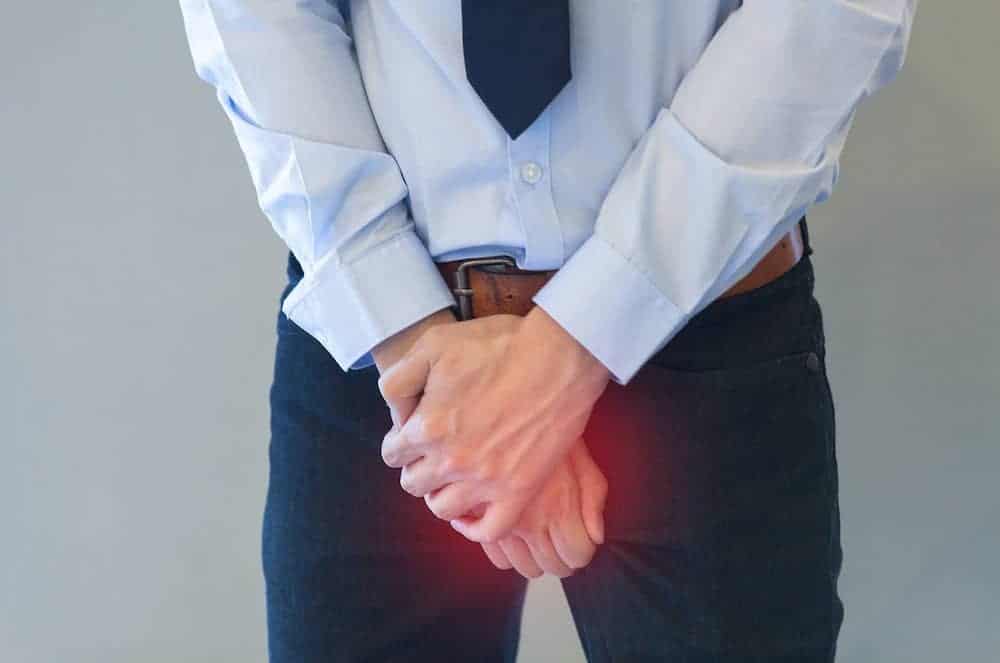
Genital warts are tiny, flesh-toned bumps that develop around the genital and anal regions. They are caused by certain strains of the human papillomavirus (HPV) and are one of the most common sexually transmitted infections (STIs) worldwide. While some cases are mild and may resolve on their own, others require medical treatment and removal at a clinic to prevent complications and discomfort.
Choosing the right clinic for genital wart treatment is essential for effective and long-lasting results. At Elyon Family Clinic & Surgery, we are committed to providing the highest quality care, ensuring that every patient receives personalised treatment and professional medical support in Singapore.
What Are the Common Causes of Genital Warts in Singapore?
Genital warts develop when HPV infects the skin or mucous membranes in the genital and anal areas. The virus is usually transmitted through intimate skin-to-skin contact during vaginal, anal, or oral sex. With the Communicable Diseases Agency (CDA) reporting an incidence rate of 15.3 per 100,000 people, understanding the risk factors can help you take preventative steps and seek timely medical attention.
Common causes and risk factors include:
- HPV Types 6 and 11: These strains are responsible for most genital wart cases. They are highly contagious and can spread even when no visible warts are present.
- Multiple Sexual Partners: The more partners you have, the higher the chance of exposure to HPV.
- Unprotected Sexual Activity: Condoms reduce, but do not completely eliminate, the risk of HPV transmission.
- Weakened Immune System: Conditions such as diabetes, HIV, or medications that suppress immunity can increase susceptibility.
- Smoking: Tobacco use impairs the body’s ability to fight off infections, including HPV.
- Direct Contact with Infected Areas: Even casual genital skin contact can transmit the virus.
While genital warts are not always a sign of poor hygiene, being aware of these causes allows you to make informed decisions about sexual health.
What Are the Symptoms of Genital Warts?
Symptoms of genital warts can vary significantly depending on their size, location, and number. Some individuals notice warts shortly after infection, while others may not see any signs for weeks, months, or even years.
Common symptoms include:
- Small, Flesh-Coloured or Grey Bumps: Usually soft and painless, these can appear individually or in clusters.
- Cauliflower-Like Clusters: Multiple warts may grow close together, forming a textured surface.
- Itching or Discomfort: Warts can cause irritation, particularly during physical activity or sexual contact.
- Bleeding During Intercourse: Occasionally, warts may bleed if irritated.
- Location Variability: Warts can appear on the penis, scrotum, vulva, anus, inside the vagina, or on the cervix.
- Discharge: Usually with unpleasant odour.
Even if symptoms are mild or unnoticeable, it’s important to seek a professional evaluation for an accurate diagnosis and treatment.
Complications of Genital Warts
While genital warts are not life-threatening, leaving them untreated can lead to several physical and psychological complications.
- Transmission to Partners: Untreated warts increase the risk of spreading HPV to sexual partners.
- Pregnancy Complications: Warts can complicate delivery or increase the chance of HPV transmission to the baby.
- Emotional Impact: Visible warts may cause embarrassment, anxiety, or stress.
- Increased Cancer Risk: Certain high-risk HPV strains are associated with cervical, anal, or other genital cancers.
- Recurrent Infections: Even after treatment, warts can recur, particularly if the underlying HPV infection persists.
Recognising these potential complications highlights the importance of early detection, professional evaluation, and ongoing sexual health management.
Testing for Genital Warts
Early detection is key to effective treatment. Testing for genital warts may include:
- Visual Examination: A healthcare provider inspects the affected area for characteristic warts.
- HPV Testing: For women, a Pap smear or HPV test can help detect high-risk HPV strains associated with cervical cancer.
- Biopsy: In cases of uncertainty, a small tissue sample may be taken for laboratory analysis.
What Are the Available Treatment Options for Genital Warts in Singapore?
Treatment is personalised based on the size, location, severity, and recurrence of the warts. Elyon Clinic offers a full range of options to ensure effective removal and long-term care:
- Topical Medications: Prescription creams like imiquimod or podophyllotoxin stimulate the immune system to eliminate warts.
- Cryotherapy: Liquid nitrogen freezes the wart, causing it to fall off over time. This method is effective for small to medium-sized warts.
- Electrocautery: Electrical currents burn the wart tissue, often used for resistant or persistent warts.
- Laser Treatment: A precise option for larger or stubborn warts, reducing the risk of recurrence.
- Surgical Excision: Involves removing the wart under local anaesthesia, generally reserved for severe or extensive cases.
Our medical team will discuss the pros and cons of each treatment method to help you make the most informed decision.

Our Process
Every step is patient-centred, ensuring privacy, comfort, and clear communication. We aim to make treatment simple, confidential, and supportive.
Step 1: Consultation
Discuss your symptoms, medical history, and concerns with a doctor in a private setting.
Step 2: Examination
A thorough visual or physical assessment of the affected area.
Step 3: Diagnosis
Laboratory tests, if needed, to confirm the presence and type of HPV.
Step 4: Treatment Plan
Personalised recommendations based on severity, recurrence risk, and lifestyle.
Step 5: Follow Up
Monitoring for healing, recurrence, and advice on prevention.
Frequently Asked Questions on Genital Warts
What happens if genital warts are left untreated?
While it is true that some genital warts may spontaneously disappear on their own, leaving them untreated carries several significant risks and potential complications. At Elyon Clinic, we strongly advise seeking prompt assessment for any suspicious bumps in the genital area.
- Spreading and Growth: Untreated warts can grow in size, multiply in number, and spread to adjacent areas of the genitals or around the anus, making future treatment more difficult and potentially requiring more invasive methods like electrocautery or surgical excision.
- Transmission Risk: The longer the visible warts are present, the higher the risk of spreading the Human Papillomavirus (HPV) to sexual partners through skin-to-skin contact. Treatment is key to reducing transmission risk.
- Discomfort and Psychological Distress: Warts can cause itching, irritation, and bleeding, particularly during intercourse. Furthermore, the presence of visible warts often leads to significant psychological distress, embarrassment, and anxiety, negatively impacting one’s intimate life and self-esteem.
- Cancer Risk (Indirect): Although the low-risk HPV strains (types 6 and 11) that cause most visible warts rarely cause cancer, the infection itself can mask or co-exist with high-risk HPV strains. Therefore, seeking treatment ensures a thorough examination to rule out any association with HPV types that increase the risk of cervical, anal, and other genital cancers. Early diagnosis is crucial for long-term health management.
How do we prevent Genital Warts?
Prevention is the most effective strategy against genital warts, which are caused by HPVs, one of the most common sexually transmitted infections (STIs). At Elyon Clinic, we encourage a multi-pronged approach:
- HPV Vaccination: This is the single most effective preventive measure. The HPV vaccine protects against the high-risk strains of the virus, including the types (6 and 11) that cause the vast majority of genital warts. The vaccine is recommended for both males and females, ideally before the onset of sexual activity, but it can still provide significant benefit for many sexually active adults.
- Safe Sexual Practices: While not 100% effective against HPV (as the virus can be on skin not covered by a barrier), using condoms consistently and correctly during all forms of sexual activity (vaginal, anal, and oral) can significantly lower the risk of HPV transmission.
- Limiting Sexual Partners: Reducing the number of sexual partners naturally minimises your exposure to the virus.
- Boosting Immunity: Maintaining a healthy lifestyle, including a balanced diet, regular exercise, and avoiding smoking, is critical, as a strong immune system plays a central role in the body’s natural ability to suppress and clear HPV infections.
- Regular Screenings: Routine STD screenings and regular check-ups with a doctor at a clinic like Elyon Family Clinic & Surgery help ensure early detection and management of any infections.
Will removing the visible warts also cure the underlying Human Papillomavirus (HPV) infection?
No, the removal of the visible genital warts does not cure the underlying HPV infection. This is a critical distinction that we counsel all patients on at Elyon Clinic.
Treatment methods such as cryotherapy and electrocautery, or topical prescription creams, are highly effective at removing the physical manifestation of the virus (the warts). However, they only treat the surface lesions. The HPV virus itself can remain dormant in the skin cells surrounding the treated area.
Clearing the HPV virus from your body is ultimately the responsibility of your own immune system. The immune system will work over time to suppress the virus, which is why some people may never experience a recurrence and eventually test negative for the virus.
Since the virus may remain dormant, the potential for warts to recur after treatment exists, especially during periods when the immune system is weakened by stress, illness, or poor lifestyle choices. Therefore, successful management involves both wart removal and maintaining a robust immune system.
How many sessions are typically required to completely clear the visible warts?
The number of treatment sessions required to completely clear all visible genital warts can vary significantly from person to person, as it depends on factors like the size, location, number of warts, the type of treatment used, and how well your body responds.
- Cryotherapy and Electrocautery: For procedural treatments like cryotherapy (freezing) or electrocautery (burning), patients often require multiple sessions, typically spaced one to four weeks apart. It is common for patients to need between two to four sessions to achieve complete clearance, as not all warts may be eliminated in the first round, and some new warts may become visible after the initial treatment area heals.
- Topical Medications: If using prescription topical medications, these require consistent self-application over a course of several weeks, with regular follow-up checks at Elyon Clinic to monitor progress and ensure there are no adverse skin reactions.
Our doctor will provide an estimated treatment plan during your initial consultation and will continuously reassess the progress to ensure the most efficient path to clearing your visible warts.
Why do genital warts keep coming back even after treatment?
The recurrence of genital warts is a common and frustrating issue for many patients, but it is a normal part of the process and directly related to the nature of HPV.
As noted, removing the visible warts does not eliminate the underlying HPV virus. The virus can remain dormant in the surrounding skin tissues, sometimes for months or even years. The warts reappear when the dormant virus reactivates.
Recurrence is often triggered when your body’s immune system is temporarily unable to suppress the virus. Factors that can weaken the immune response and lead to recurrence include:
- High levels of stress or fatigue.
- Co-existing infections or illnesses.
- Lifestyle factors like smoking or poor nutrition.
Sometimes, what appears to be a recurrence is actually a new wart developing from a subclinical (invisible) lesion that was already present but only became large enough to be seen after the initial treatment. And in rare cases, recurrence may be due to reinfection from a partner who also carries the virus.
We emphasise that recurrence does not mean the treatment failed; it means the immune system needs more time or support to manage the virus, and further sessions are required.
Can genital warts recur after treatment, and what is the typical recurrence rate?
Yes, genital warts can and frequently do recur after successful initial treatment. Understanding the risk of recurrence is an important part of managing HPV infection.
Clinical studies indicate that the recurrence rate for genital warts is relatively high, often falling around 30% within the first four months after the visible lesions have been cleared. After this period, the likelihood of warts reappearing decreases significantly.
We manage this by planning follow-up appointments, even after the visible warts are gone. If a recurrence happens, it is usually manageable with additional treatment sessions (e.g., cryotherapy or topical creams). The ultimate goal is to remove the warts until the body’s immune system has cleared or suppressed the virus permanently.
What is the expected cost range for consultation and treatment (e.g., per session or per lesion)?
The cost of genital warts treatment at Elyon Clinic is determined by a few key factors: the size and number of the warts, the complexity of the chosen removal method, and the number of sessions required.
- Initial Consultation Fee: The fee for your confidential medical consultation with the doctor, which includes a thorough history-taking, visual examination, and discussion of your personalised treatment plan, typically starts from S$30 to S$120.
*Note: This fee is separate from the treatment cost.
- Treatment Cost Ranges (Per Session/Course): You can generally expect the following ranges (excluding the initial consultation fee):
- Cryotherapy (Liquid Nitrogen): A typical session for genital wart removal usually ranges from S$80 per single lesion up to S$300 or more for multiple or large clusters of warts. You will likely require multiple sessions (1 to 4).
- Electrocautery/Laser/Minor Surgery: These methods, often used for stubborn or numerous warts, generally start from S$200 to S$600 per session, depending on the complexity and time required for the removal.
- Topical Prescription Medications: If a cream is prescribed for home use, the cost of the medication and necessary follow-up checks often ranges from S$100 to S$250 per course, which may last several weeks.
*Note: Because the size and severity of genital warts vary dramatically, these ranges serve as an estimate. We strongly recommend booking a confidential consultation at Elyon Clinic to allow the doctor to assess your condition accurately and provide you with a precise, transparent quote tailored to your specific removal needs.
Is genital wart treatment covered by MediSave, or can it be claimed under private health insurance?
For most cases of genital warts treatment at a private clinic, the costs are generally not claimable.
- MediSave: Treatment for genital warts is typically classified under non-critical medical expenses and is generally not covered by MediSave. MediSave is primarily designed for hospitalisation, day surgeries, and certain chronic diseases.
- Private Health Insurance: Coverage here is highly dependent on the specifics of your individual insurance policy.
- Most standard basic health insurance policies or Integrated Shield Plans (IP) do not cover outpatient treatments for sexually transmitted infections (STIs) like genital warts.
- You may have partial coverage if your policy includes a specific “rider” or a comprehensive “wellness” or “outpatient specialist” benefit that explicitly covers procedures or specialist visits.
To avoid unexpected costs, we strongly advise patients to contact their private insurance provider directly before starting treatment at Elyon Clinic to confirm coverage details and claim procedures.
What is the expected recovery time or downtime after procedural treatments like cryotherapy or electrocautery?
The expected recovery time or downtime following procedural genital warts treatment in Singapore is relatively short, though it depends on the method used and the extent of the treated area.
- Cryotherapy Recovery: This method involves freezing the wart, which usually leads to a blister forming at the site within a day or two. The blister will dry out and scab over, and the wart should fall off over the next one to two weeks. You may experience mild discomfort, redness, and swelling immediately after the procedure. Normal daily activities can typically be resumed immediately.
- Electrocautery/Surgical Excision Recovery: Since these methods involve burning or cutting the wart off, the treated area will form a small wound or scab. Full healing typically takes around two to three weeks. You may experience pain, tenderness, and a wound that needs to be kept clean and dry for a few days. Strenuous activity or immersion in water (like swimming) should be avoided until the wound has closed.
Your doctor will provide detailed wound care instructions specific to your treatment method to ensure a quick and comfortable recovery.
Can I use over-the-counter wart removal products from a pharmacy on my genital area?
No, you should absolutely not use over-the-counter (OTC) wart removal products from a pharmacy on your genital area.
- Chemical Differences: Most OTC wart removal products contain high concentrations of acids (like salicylic acid) designed for common warts on the hands or feet. The delicate skin of the genital and anal regions is much thinner and highly sensitive. Applying these strong chemicals can cause severe burning, irritation, tissue damage, scarring, and intense pain.
- Misdiagnosis Risk: Bumps in the genital area may not be warts; they could be a sign of other conditions like molluscum contagiosum, skin tags, or even cancerous lesions. Using an OTC product risks delaying a correct diagnosis and the appropriate, effective genital warts treatment.
Always consult a doctor for a proper visual examination and diagnosis. We can then prescribe safe, suitable topical medications or perform in-clinic procedures, like cryotherapy, that are specifically designed for the sensitive genital area.
Can I still transmit HPV to my partner even after the visible warts have been removed?
Yes, you can still transmit HPV to your partner even after all visible warts have been successfully removed.
- Virus Remains: As we have explained, removing the warts treats the symptom, but it does not instantly clear the underlying HPV virus from your body. The virus can persist in the surrounding skin and mucous membranes (subclinical infection).
- Invisible Transmission: Transmission occurs via skin-to-skin contact, not just contact with the visible warts. Therefore, even when the warts are gone, you may still be shedding viral particles that can infect a partner.
- Reducing Risk: The risk of transmission is significantly lower when no visible warts are present. To further minimise risk, you should:
- Always use condoms, even during periods when the warts are clear.
- Encourage your partner to consider HPV vaccination for their own protection.
- Maintain regular follow-up checks at the clinic.
How soon after treatment can I resume sexual activity?
The timing for resuming sexual activity depends on the treatment method used and the time needed for the treated area to fully heal. Rushing back into sexual activity can lead to pain, infection, and hinder the healing process.
- Topical Creams: If you are using prescription topical creams that require continuous application, you may be advised to avoid sexual contact entirely while the medication is active on your skin, as it could cause irritation to your partner.
- Procedural Treatments (Cryotherapy, Electrocautery): For methods involving wound creation, you must wait until the treated area is completely healed, dry, and free of scabs or blisters. This typically takes 1 to 3 weeks.
Rule of Thumb: You should generally avoid all sexual contact (intercourse, oral, or anal sex) that involves skin-to-skin friction in the treated area until your doctor confirms that the healing process is complete.
When you resume activity, remember to use a condom to reduce the risk of further spreading the virus, even if the wounds are healed.

Meet Dr Vincent Chia
MBE (Harvard Medical School)
MB BCh BAO (Dublin), Graduate Diploma in Family Medicine (NUS)
Certificate In Andrology (Men’s Health)
Member, Society for Men’s Health
Family Physician, Director of Clinical Ethics & Operations
Dr Vincent Chia is a board-accredited Family Physician with over 25 years of clinical experience. Having trained in Ireland and Singapore, he has expertise in Dermatology, Endocrinology, Cardiology, General Surgery, Vascular Surgery, Obstetrics and Gynaecology, Men’s Health, and a special interest in Sports Medicine. Known for his warm and approachable demeanour, Dr Vincent is dedicated to providing comprehensive care and ensuring his patients understand their clinical decisions.
Contact Us
Contact Us
| 78B, Telok Blangah Street 32, #01-22, S102078 | |
| (65) 6802 7208 | |
| (65) 8418 7208 (Whatsapp for appointment) | |
| elyonfamilyclinic@gmail.com |
Additional Links
